

There are plenty of fish in the sea—and yeah, some should go straight back. Online dating casts a wide net, which means you’ll spot some keepers and a few obvious throwbacks. Knowing the red flags helps you cut the line early, protect your time, and stay safe while you search for your catch of the day.
TL;DR
- Report suspicious or abusive profiles to keep the community safer
- Watch for identity dodges, love-bombing, money asks, and pressure to move off-app fast
- Romance scams are still rising—trust your gut and verify before meeting
- Use built-in selfie or ID verification tools on major apps
- Deepfakes and sextortion are increasing—never share intimate content

Dude Hack Exclusive Offers



Bio and Profile Red Flags
Building a successful online dating bio is a minefield – that’s why we’ve assembled a complete list of do’s and don’ts to help you craft the perfect introduction to your unique personality. The online dating bio is also a hotspot for dating red flags. They’re anything that tells you this person isn’t ready to be in a healthy relationship and can be signs that your potential match is unkind or even potentially abusive. Here are the bio and profile red flags that should have you swiping left without delay.
No Bio At All
Having no bio is a total red flag – this person is either a creep, a fake, or a flake.

Demanding Certain Traits
Bios that say things like “No vegetarians!” or “Don’t bother if you’re under 6 feet” scream high-maintenance. Run.
They Say They’re “Not Looking For Drama”
If someone insists they want no drama, it’s probably because they bring it themselves.
They Say They Never Message First
It’s lazy and dated—especially on apps like Bumble where women message first.

An Obsession With Sarcasm
Bios full of snarky jokes often mask insecurity or immaturity.
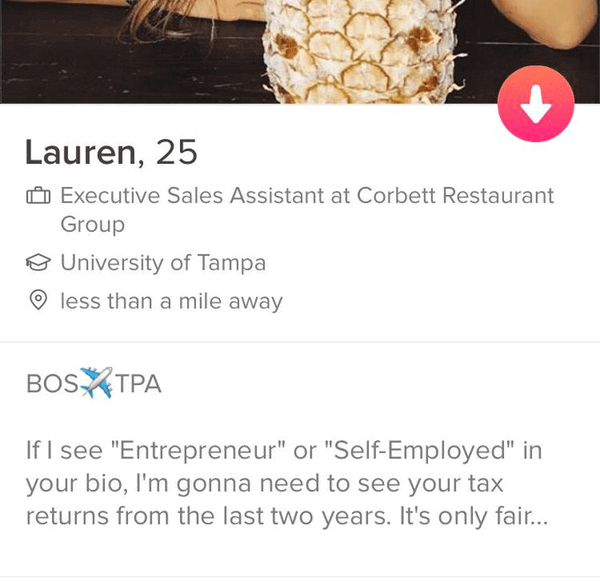
Vague Job Descriptions
If someone claims to be an “entrepreneur” or “visionary” but offers no detail, it’s a red flag.
No Verification Badge When It’s Available
In 2025, most dating apps offer selfie and ID verification. If they skip it, slow down and double-check before getting invested.
Conversation Red Flags
You’ve matched—now what? This is where the biggest red flags often appear.
Getting Way Too Intense Way Too Fast
If someone love-bombs you right away, they may be manipulative or emotionally unstable.
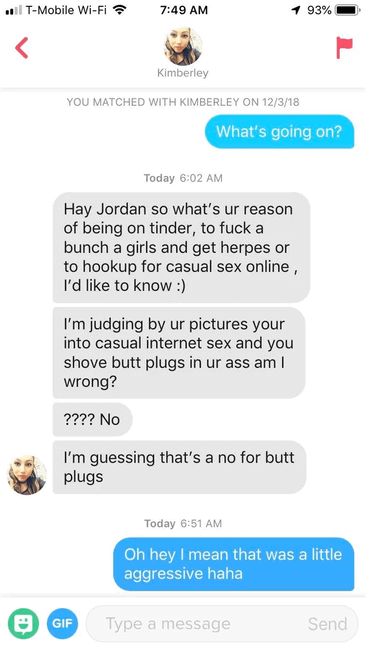
Being Cold and Evasive
If they can’t answer basic questions or dodge every topic, it’s a sign of dishonesty or disinterest.
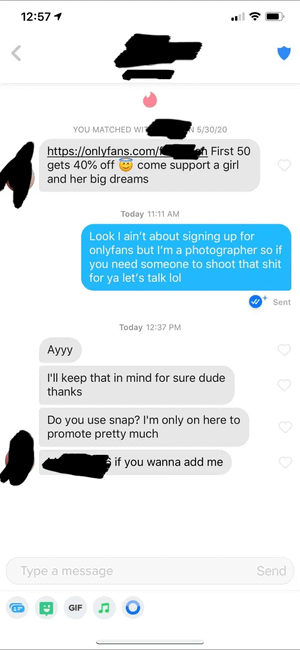
Sending Strange Links Early On
Random links are a major red flag—likely spam, scams, or bots.
Asking For Money or Gifts
Never send money to someone you’ve just met online, no matter how convincing the story.
Inviting You To a Cam Site or OnlyFans
If they push external links or accounts, they’re not looking for a real connection.
They “Warn” You About Themselves
Anyone who brags about being “trouble” or “heartbreaker” probably means it—take them at their word.
Waiting Too Long To Meet
Endless chatting with no real plans to meet? That’s classic catfish behavior.
Talking Too Much About Their Ex
Still fixated on their past? They’re not ready for the present.
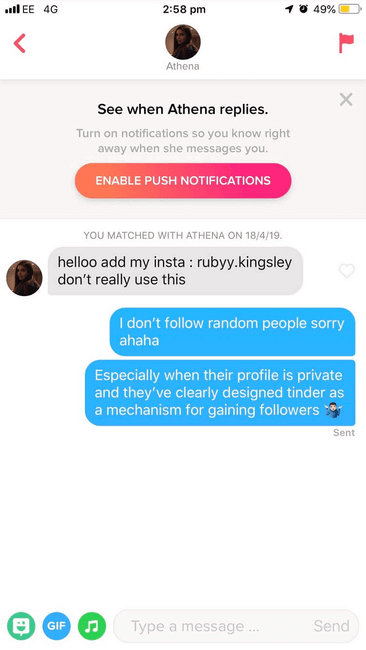
Pushing Their Social Media Too Hard
If they care more about followers than conversation, it’s a no-go.
New 2025 Red Flags
- They ask to move to WhatsApp or Telegram immediately
- They request “verification videos” (could be deepfake or sextortion scams)
- They refuse in-app safety features like verification or date check-ins
Picture Red Flags
A picture is worth a thousand words—and in dating, sometimes they scream “Run!”
Pictures of Celebrities
If it’s too glamorous to be real, it probably isn’t.
Only Professional Photos
All pro shots and no candid pics are a catfish classic.
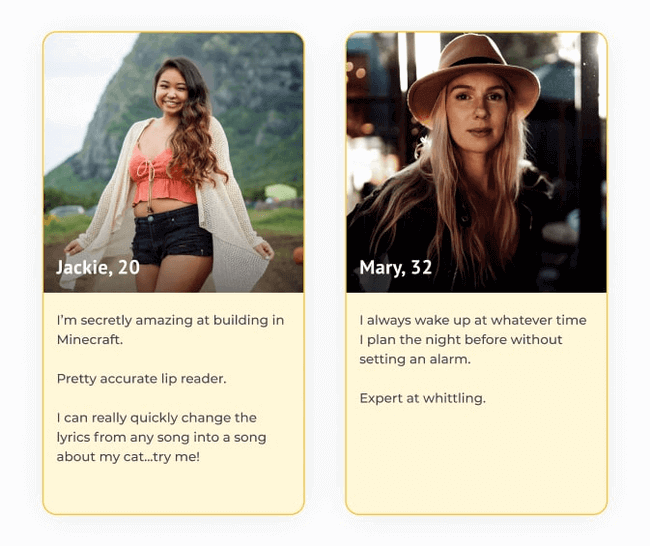
Only One Picture
Low effort usually means low authenticity.
Pictures That Look Like Different People
If every photo looks like someone new, assume the worst.
The Classic Fish Pic
A universal turn-off—unless you’re dating in an aquarium.
2025 Tip: Look for Verified Badges
Profiles with selfie-verified photos are far more trustworthy. Avoid those that dodge verification when available.
When To Worry About Red Flags
Red flags can appear at any stage and unless you’re saying “I do,” there’s always time to U-turn. Scammers are more sophisticated than ever with fake verification screenshots, AI-generated selfies, and deepfaked video calls. If something feels off, it probably is—trust your instincts and report it.

What To Do If You Identify Red Flags
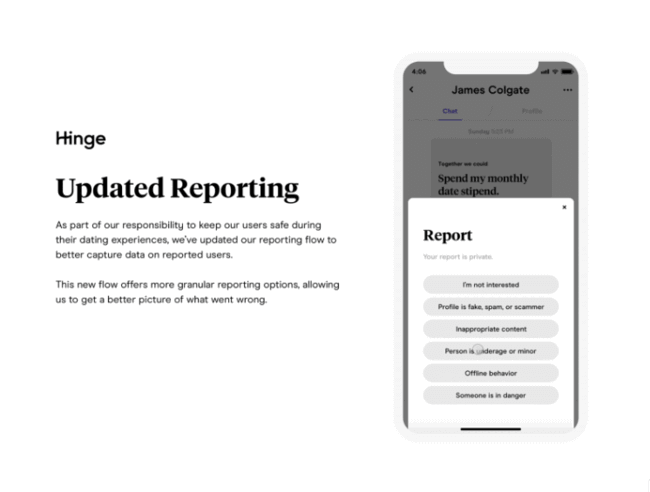
When you spot a red flag, act fast. End the chat, block, and report. Dating apps now have upgraded safety features like photo ID checks, AI scam filters, and anonymous reporting. Always keep early chats on the app where protections exist. If money or personal data is involved, report the fraud to authorities. Some third-party “safety” apps aren’t secure, so never upload sensitive documents. Reporting on apps like Tinder, Bumble, and Hinge is quick and private—your info stays confidential while helping keep others safe.
Final Thoughts
There are plenty of pitfalls with online dating, but once you know the red flags, you’re already ahead. Stay smart, stay curious, and use built-in app tools to protect yourself while finding your match. Not sure where to start? Take our dating app quiz to find which platform fits you best.
FAQs
Are dating apps safer now than before?
Yes, most major dating apps now include selfie or ID verification, AI-driven scam detection, and safety centers—but scams still happen. Always stay alert and verify before meeting.
What’s a new dating scam to watch in 2025?
Deepfake and sextortion scams are rising. Scammers might ask for videos or intimate photos—don’t share, and report them immediately.
Should I avoid people without verification badges?
Not always, but if verification is available in your region and they refuse, be cautious. Stick to in-app chats until trust is built.
Is it safe to use background check apps?
Some are helpful, but others have had privacy leaks. If you use one, share minimal personal data and check reviews first.
Where can I report romance scams?
Report directly in the dating app, and if money or identity is involved, contact local authorities or cybercrime hotlines.
