
Online dating can feel risky—especially if you’re new to it. Beyond safety concerns, there’s the frustration of fake or inactive profiles wasting your time. The good news: dating apps have stepped up with stronger verification and AI tools to help ensure real connections. Below, you’ll find an updated guide on spotting fake profiles, avoiding scams, and choosing dating sites with the fewest fakes.
TL;DR
- Stick to verified profiles and report suspicious activity
- Top apps like Tinder, Bumble, and Hinge now use video and ID checks to block fake profiles
- Paid platforms such as eharmony still have fewer fake users overall
- Watch for red flags: fast love, money requests, or “perfect” photos
- Always verify with a quick video or voice chat before meeting

Dude Hack Exclusive Offers



How to Identify Fake Profiles and Scams on Dating Sites
Check the Photos
If a profile photo looks overly polished or too good to be true, it probably is. Run a reverse-image search and be wary of AI-generated faces that seem flawless. Choose platforms with selfie or video verification to reduce the risk.
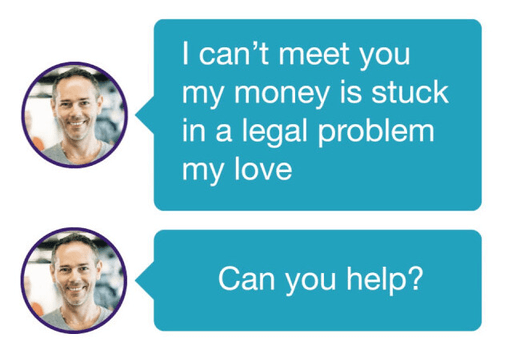
Avoid Fast Intimacy or Money Requests
Scammers often move quickly, declaring love or emergencies. Never send money, gift cards, or crypto to someone you just met online. Report these profiles immediately.
Watch for Empty Profiles
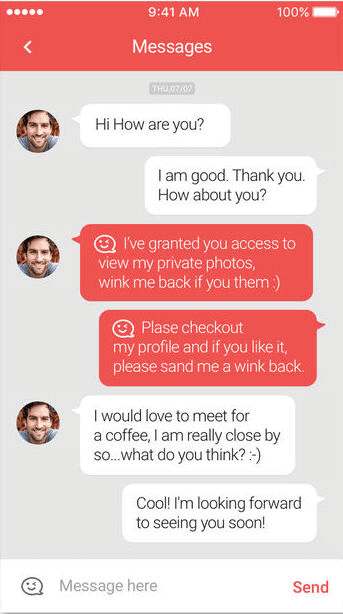
Bare-bones bios or profiles with minimal photos often indicate bots or lazy scammers. Skip them and focus on verified users.
Use Video or Voice Verification
If someone avoids an in-app video or voice chat, consider that a red flag. Most major apps now support safe, in-app video calls—use them before meeting in person.
Free Sites vs Paid Sites
Free dating apps attract more scammers because sign-up is easy. Paid sites generally offer stronger moderation and verification, creating a safer environment. If you prefer free platforms, choose ones that include modern verification options like selfie or ID checks.
Best Dating Sites With the Least Fake Profiles in 2025
eharmony
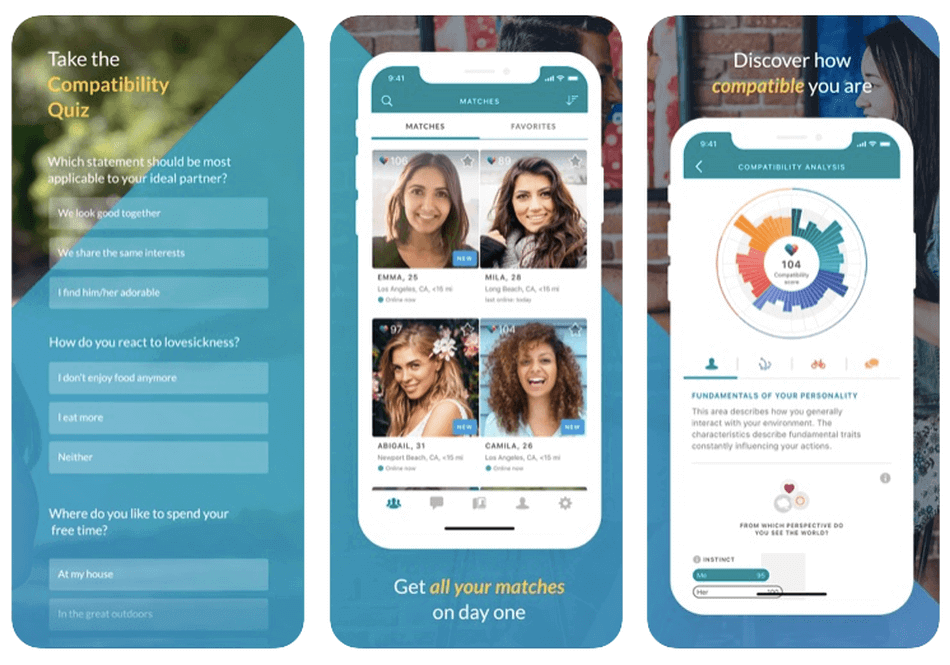
Known for serious relationships, eharmony’s detailed sign-up process and compatibility matching keep quality high and fake accounts low. Ideal for people looking for long-term relationships.
Bumble
Bumble continues to lead in safety, featuring AI-powered tools to detect deception and optional ID verification with profile badges. You can even filter by verified profiles for extra peace of mind.
Hinge
Hinge’s video-based selfie verification ensures users are real. Its design encourages meaningful conversations, making it one of the best options for authenticity.
Tinder
Tinder now requires new U.S. users to complete a mandatory face verification video check. Verified badges make it easier to find genuine people while keeping bots out.
Staying Safe When You Meet
Always meet in public, share your plans with a friend, and keep your initial communication within the app. Use built-in safety tools such as reporting, unmatching, and shareable date details for added security.
FAQs
Are romance scams still a big issue in 2025?
Yes, but platforms have improved at detecting them. Stay alert to money requests or instant emotional attachment—it’s still the easiest way to spot a scam.
Which app has the best verification system?
Tinder, Bumble, and Hinge now lead the pack with selfie and ID verification features. Always look for the verification badge before chatting.
Do paid dating sites really have fewer fake profiles?
Yes, because their sign-up process and subscription fees discourage scammers. Sites like eharmony maintain stricter standards for authenticity.
How can I quickly check if someone is real?
Ask for a short video or voice chat before meeting. Most scammers avoid real-time interaction.
Should I ever send money to a match?
Never. No legitimate connection will ask for cash, crypto, or gift cards—report the user right away.
Is ID verification the same as a background check?
No. Verification only confirms the person’s identity matches their photo; it doesn’t include background or criminal history checks.
