
Wondering if Hinge is safer than Tinder? Short answer: Hinge can feel a bit safer for many people, but both apps now rely on similar safety tech—especially video-selfie verification—so your choices and habits matter more than the logo on your home screen. Below, we break down what’s changed since 2023 and how to stay smart while you swipe.
TL;DR
- Paid, well-moderated apps add friction that deters scammers, but personal safety habits matter most.
- Both Hinge and Tinder use video-selfie verification to reduce catfishing; look for the verification badge.
- Tinder still has a far larger user base, which can mean more great matches—and more exposure to bad actors—than Hinge.
- Safety tools have improved (like Tinder’s Noonlight integration and Hinge’s robust safety resources).
- Romance scams remain a major issue; stay alert to money or crypto requests.
Dude Hack Exclusive Offers



Is Hinge Safer Than Tinder?
Hinge can be slightly safer for some users because its culture is more “intentional dating,” and its active pool is smaller than Tinder’s. Tinder remains the biggest dating app by far, which means more opportunities—but also more potential risks if you don’t use built-in safety tools. Both Hinge and Tinder now feature video-selfie verification (not just static photo checks). When you see a verification badge, it means the person passed that real-time check, which helps reduce impersonation. Still, treat verification as one signal—not a guarantee.
A practical difference is that Tinder offers extra safety layers like its Noonlight integration in the U.S., letting you share your meeting details and trigger backup if needed. Both brands also publish active Trust & Safety hubs detailing tools, reporting, and education—worth a quick look before your first date.
Is Hinge Safe To Use?
Yes—if you use the tools and stay aware. Enable verification, keep chats in-app until you’re comfortable, and use features like block/report the moment something feels off. Romance scams continue to rise, with losses exceeding a billion dollars in recent years, so financial asks are a clear red flag. Hinge’s vibe still leans toward meaningful connections, but it now attracts all kinds of relationships—from casual to serious. Use the same caution on every app, regardless of reputation.
What Kind Of Dating App Is Hinge?
Hinge is a location-based dating app focused on prompts and deeper profiles. Compared with Tinder’s fast swiping and global reach, Hinge slows down the process to encourage thoughtful conversation. That slower pace—and video verification—can help you vet people more easily, but safety basics still apply: verify identities, meet in public, and share your plans with a friend.
What Dating App Is The Safest?
No dating app is completely safe by default. Paywalled, well-moderated services often add extra layers like ID or selfie checks and more responsive moderation that can deter scammers. Tinder and Hinge both continue to improve their safety features, including AI message detection, emergency support integrations, and updated verification systems. Choose the platform that fits your goals, enable every safety control available, and follow smart dating habits.

Smart Safety Rules
- Verify and badge-check: Prefer profiles with video-selfie verification; get verified yourself.
- Never send money: Decline and report anyone asking for cash, crypto, or financial help.
- Use in-app tools: Block/report instantly and connect Tinder’s Noonlight if available.
- Meet smart: Always meet in public and share your plans with someone you trust.
- Trust your instincts: If someone pressures you to move fast or go off-app, it’s a red flag.
FAQ
Is Hinge really safer than Tinder now?
Not necessarily. Both apps have improved safety features like verification and reporting tools. Hinge’s smaller community can feel more intentional, while Tinder’s larger size offers more matches but also higher risk exposure.
Does verification stop catfishing completely?
No, but it helps reduce fake profiles. Even verified users should be approached carefully—keep communication in-app until you’re sure they’re legitimate.
What new safety tools should I use?
On Tinder, connect Noonlight before in-person dates. On both apps, enable verification, review their safety centers, and use block/report options when needed.
Are romance scams still a problem in 2025?
Yes. Scammers continue to target dating apps using emotional manipulation and money requests. Never send funds or personal financial info to anyone you meet online.
Which app has more serious daters right now?
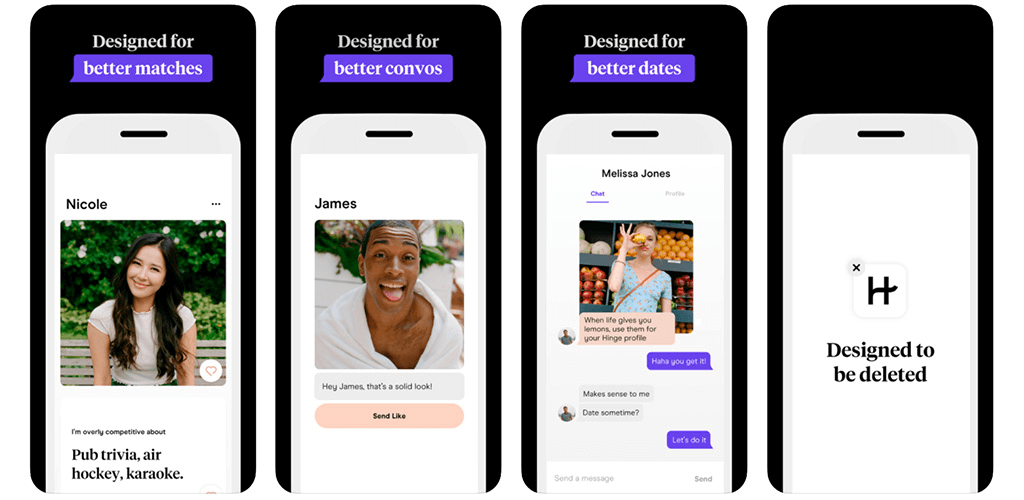
Hinge still markets itself as “the app designed to be deleted,” focusing on meaningful dating, but both apps now host users looking for everything from casual to committed relationships.
Is a paid app automatically safer?
Not automatically, but paid apps often include better moderation, verification checks, and support systems that can deter scammers and bots.
